 ID
ID
 EN
EN
Refinery Catalysts: Types, Functions, and Spent Catalyst Recycling Value
Refinery catalysts are essential materials in oil refining and petrochemical processes. Learn their types, metal content, recycling value, and sustainable recovery potential.
Refinery Catalysts: Essential Materials for Industrial Production Processes
Refinery catalysts are specialized materials used in the production processes of oil refineries, petrochemical plants, gas processing facilities, and energy industries. These materials help accelerate chemical reactions, improve process efficiency, maintain production stability, and support the production of higher-quality final products.
In refinery production activities, catalysts play an important role in hydroprocessing, hydrotreating, catalytic reforming, desulfurization, cracking, and various purification stages. With the right catalyst support, crude oil processing can operate more effectively, consume less energy, and meet modern industrial standards.
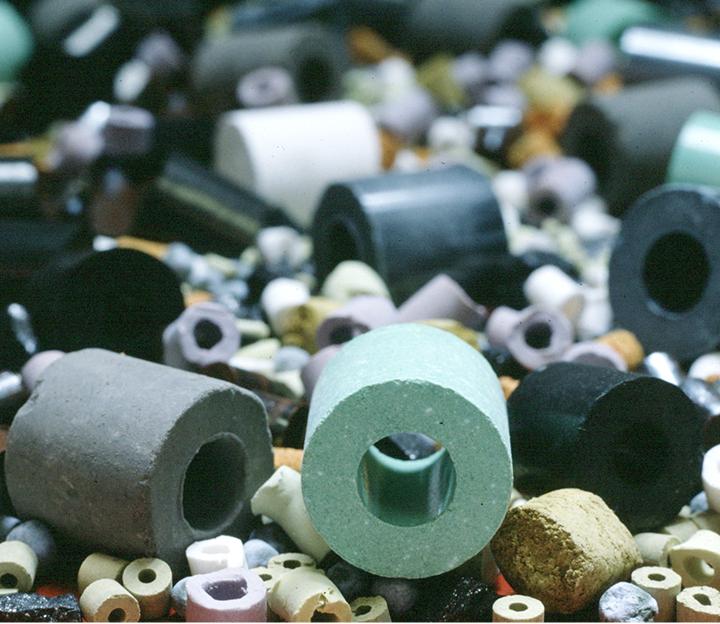
Refinery catalysts are produced in various physical forms according to process requirements, including pellets, spheres, rings, extrudates, honeycomb structures, tablets, powders, and small cylindrical shapes. Each form is designed to match specific reactor types, operating temperatures, pressure conditions, gas or liquid flow, and targeted chemical reactions within production facilities.
Refinery catalyst materials commonly contain active components and support materials such as alumina, silica, zeolite, nickel, molybdenum, cobalt, vanadium, tungsten, platinum, palladium, and other valuable metals. These contents make catalysts important production components with high technical value in industrial processing.
After being used for a certain period, catalyst performance gradually decreases and the material becomes known as spent catalyst. Although it is no longer optimal for production processes, spent catalyst may still contain valuable metals that can be processed again through recycling and metal recovery activities.
Spent catalyst management requires professional handling because the material may contain oil residues, sulfur, carbon deposits, heavy metals, and other compounds from industrial processes. Proper handling may include material collection, drying, calcination, sampling, laboratory analysis, material separation, and metal recovery processes that comply with safety and environmental standards.
Recycling refinery catalysts provides significant benefits for industry because it helps reduce production waste, recover valuable metals, lower dependence on primary raw materials, and support the circular economy concept. This process has become an important part of a more efficient, responsible, and sustainable industrial strategy.